
We provide top-quality diagnostics
We make diagnoses more accurate and faster, drive the growth of veterinary endocrinology, and promote the recognition that professionals in this field deserve.
The methodology we use to deliver valuable results
This method relies on the use of a specific binding agent and radioactive hormones as tracers to measure the concentration of substances. A fixed amount of radioactive hormone competes with the hormone to be measured (identical to the radioactive one) for a limited (saturated) number of binding sites on a binding agent, such as antibodies, that have high affinity and specificity for the hormone to be measured. The free labeled antigens and those bound to the antibody must then be separated by centrifugation and/or decantation before measuring the radioactivity of the bound radioisotopes. The antigen concentration in the tested samples is inversely proportional to the amount of radioactivity in the bound fraction.
Some hormone assays use two antibodies, one bound to the solid phase and the other labeled with a signal-generating substance—most commonly 1125—which bind to the hormone being studied. This non-competitive, directly proportional assay is known as an immunoradiometric assay (IRMA).
The concentration of a specific hormone can be measured in samples of biological fluids or extracts (e.g., serum, plasma, saliva, feces, urine, hair, and others).
The advantages of using RIE for assay are its high sensitivity in detecting antigens at very low concentrations, in the picomolar range or lower. Most commercial diagnostic kits available on the market were developed for the quantitative assessment of hormones in human serum; therefore, these highly specific kits must be validated for veterinary use, just like any other immunoassay that uses antibodies developed for testing in humans.
RIE uses the radioisotope ¹²⁵I, which requires a special license from the National Nuclear Energy Commission (CNEN), the regulatory agency. Appropriate facilities are also required for its handling and disposal.
The chemiluminescence method is based on a phenomenon in which light energy is generated from a chemical reaction. This immunoassay uses a system based on test units coated with a specific antibody, such as a solid-phase assay, which serves as a vessel for the immune reaction, incubation, washing, and development of the light signal. The light emission from the chemiluminescent substrate reacting with the enzyme conjugate is proportional to the amount of the substances being analyzed. There are, however, cases in which the analysis is performed indirectly, that is, the analyte participates in the generation or consumption of the chemical reaction.
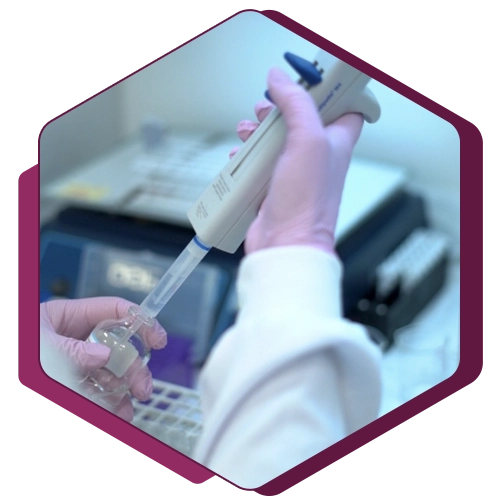
The advantages of this technique include ease of use and minimal variation during pipetting, since the technician only needs to add the sample to the tubes, with the other reagents being added by the equipment itself.
In the current landscape, this is one of the areas where we see significant investment by companies in the human medicine market, which also has an impact on our field; therefore, we can conclude that we benefit from this as well.
It is important to note that there are differences in performance and results between devices such as the widely used Immulite®1000 and Immulite®2000, among other brands; therefore, the clinician must be informed of the exact model and manufacturer of the device used in the laboratory that is generating those results.
Mass spectrometry (MS) is based on the detection and differentiation of analytes through the characteristic masses of each compound or class of compounds. To do this, MS converts target molecules into gas-phase ions by imparting an electric charge. The resulting flow of electrically charged ions is converted into a proportional electric current. The current is then processed by a data system that converts the information, displaying it as a mass spectrum. Recently, this technique has been increasingly developed for the analysis of steroids, thyroid hormones, vitamins, and metabolomics, among others, for both routine testing and research projects. LC-MS/MS is also the analytical technique of choice for the laboratory assessment of urinary and plasma catecholamines.
When combined with the physical separation mechanisms of HPLC (high-performance liquid chromatography), mass spectrometry is referred to as LC-MS. The use of this combination of technologies enables analyses with high specificity and sensitivity. The unique feature of these combined methods is the ability to determine the "digital identity" of the analyte for each endocrine disorder affecting dogs and cats. Among the main advantages of this method are the use of small sample volumes, the ability to measure hormones at relatively low concentrations, and the use of a standard library that allows for the simultaneous measurement of multiple analytes.
PMI is a diagnostic immunoassay using paramagnetic microparticles that employs magnetic beads as a marker instead of conventional enzymes (ELISA), radioisotopes (RIA), or fluorescent molecules (fluorescent immunoassays) to detect a specific analyte. PMI involves the specific binding of an antibody to its antigen, where a magnetic tag is conjugated to one member of the pair. The presence of magnetic beads is then detected by a magnetic reader that measures the change in the magnetic field induced by these beads. The measured signal is directly proportional to the concentration of the target substance we wish to quantify. The magnetic beads are made of nanoscale iron oxide particles encapsulated or bonded together with polymers. Magnetic tags exhibit several very important characteristics; among them, the turbidity or color of the sample has no impact on their magnetic properties. Another important characteristic is that this assay is not subject to interference from biotin when measuring the target analytes.
Enzymes are currently the most widely used markers; it is certainly due to this method that we find a wide range of commercial kits with an extensive library of antibodies, species-specific for many animals, particularly dogs, cattle, and rodents (laboratory animals). With the possibility of catalytic amplification and combination with other markers—such as chemiluminescent and fluorescent markers—this results in assays with low detection limits.
This assay system can operate in both competitive and non-competitive modes. In the competitive mode, enzyme-labeled antigens compete with unbound antigens (the analyte) for a limited number of immobilized antibodies. Currently, systems are used for both competitive and non-competitive assays that perform automated reading of the different wells, serial dilutions, and sample replicates.

Hormonal Note
In our hormone measurement processes, we use assays that have been previously validated—either in the laboratory and physiologically by our own team, or assays reported as validated in the literature.