

Stay up to date with articles, news, and specialized content on veterinary laboratory medicine.
Explore relevant information to assist in the diagnosis, prevention, and monitoring of animal health.


Diabetes mellitus in dogs and cats: Understanding the types and how to diagnose it
Diabetes mellitus (DM) is an endocrine disorder characterized by changes in the metabolism of...

Vitamin D in Dogs and Cats: Why Test 25(OH)D Levels Before Supplementing?
Vitamin D is directly related to calcium and phosphorus metabolism and plays a role in...
Before the results: Where do errors in laboratory endocrinology really begin?
A hormone test result isn't determined the moment the sample is placed in the machine. Before that...

UCCR: Why the Site of Urine Collection Can Affect the Diagnosis of Cushing's and Addison's in Dogs
Hospital stress, irregular schedules, and recent meals are small details that are seen as...
Gastrin: An Essential Endocrine and Digestive Marker in Veterinary Clinical Practice
Gastroenterology is a specialty that has been gaining increasing prominence in medicine...
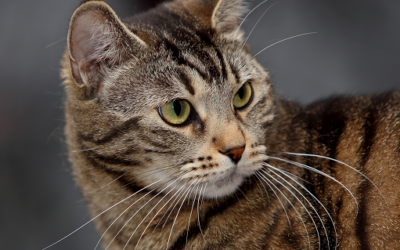
Hypothyroidism in Adult Cats: A Rare or Underdiagnosed Endocrine Disorder?
Lethargy, weight gain, changes in the coat, and reduced activity are common signs...
Drug Interference in Thyroid Tests: The Importance of the Preanalytical Phase
Assessing thyroid function is one of the most important steps in the evaluation of...

Cushing's Syndrome in Shih Tzus: Breed Predisposition and the Importance of Hormonal Testing
Changes such as increased water intake, increased urination, weight gain,...