
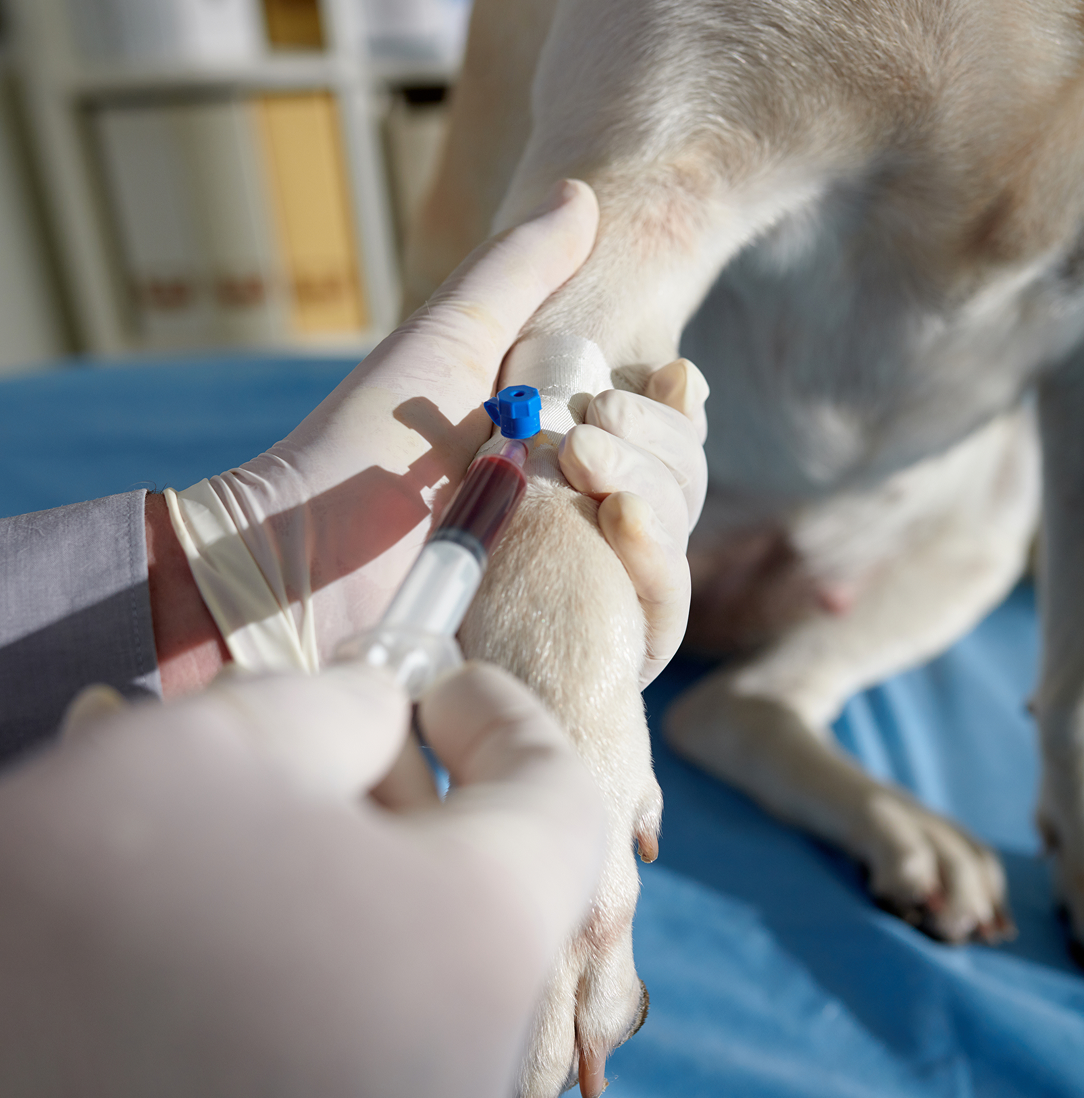
A hormone test result isn't determined the moment the sample is placed in the machine. Before that, there is a series of steps that can directly influence the quality and interpretation of the test.
In veterinary endocrinology, this step warrants special attention. Because hormones respond to different physiological and pharmacological stimuli, even minor changes in the conditions of the sample or the patient can alter their concentration or interfere with the methodology used.
Therefore, when faced with an unexpected result, the question should not only be “Is this the hormone level?” but also: “Under what conditions was this sample collected?”
What is the preanalytical phase, and why is it important?
The preanalytical phase encompasses all the steps that precede the laboratory analysis itself.
It begins with patient preparation and includes the collection, identification, packaging, storage, and transport of the sample to the laboratory.
When these steps are not properly controlled, changes may occur that could compromise the quality of the sample or make it difficult to interpret the results.
Some factors deserve special attention:
- Fasting and recent meals;
- Stress during handling and collection;
- Hemolysis;
- Lipemia;
- Time between collection and processing;
- Temperature and storage conditions;
- Appropriate transportation;
- Use of medications;
- Concomitant diseases.
This does not mean that every change in the result is caused by the preanalytical phase. However, these variables must be taken into account before interpreting a hormone result in isolation.
Do you have questions about the ideal conditions for collecting a hormone test sample?
Fasting: How Long Is It Really Necessary?
When it comes to laboratory tests, fasting is usually associated with a set number of hours. However, in endocrinology, fasting for a longer period does not always result in a better sample.
A recent meal can cause metabolic changes, including postprandial hyperlipidemia.
On the other hand, excessively prolonged fasting can also interfere with sample quality and, depending on the patient’s condition, represent a physiological stimulus related to the stress response.
The goal of fasting is, therefore, to reduce metabolic interference without causing unnecessary physiological changes.
The sample preparation guidelines should take into account the requested test, the species, the clinical condition, and the laboratory’s specific guidelines.
Before establishing a fasting protocol without exception, it is important to check the specific guidelines for the test that will be performed.
Stress can also affect hormone test results
Stress is one of the preanalytical factors that deserves the most attention in endocrinology.
Situations such as displacement, restraint, manipulation, and staying in a hospital setting can trigger physiological responses capable of altering certain hormones, especially those related to the hypothalamic-pituitary-adrenal axis.
Cortisol is one of the prime examples.
This means that, in tests that assess adrenal function, the context in which the sample was collected can be just as important as the numerical result itself.
The impact of stress, however, is not the same for all tests. The significance of this factor depends on the hormone being measured and the clinical question being investigated.
Did your patient experience a stressful situation before the sample was collected?
Lipemia and Hemolysis: When Sample Quality Affects Test Results
Not every visually altered sample will affect different tests in the same way. The extent of interference depends on the analyte, the severity of the alteration, and the methodology used.
Lipemia occurs when there is an increase in lipids in the sample and can interfere with certain methodologies, especially those that rely on optical properties or specific steps in the assay.
Hemolysis, on the other hand, occurs when red blood cells rupture, releasing intracellular components into the serum or plasma. These components can interfere with different stages of the analysis, depending on the methodology and the severity of the hemolysis.
Therefore, when faced with a hemolyzed or lipemic sample, the laboratory must determine whether this condition compromises the analysis of that specific test.
PLEASE NOTE: Proper collection is essential to preserve the quality of the sample and reduce the risk of interference or the need for a repeat collection.
How can you reduce the risk of hemolysis?
Taking certain precautions during collection can help preserve the quality of the sample:
- Use appropriate materials;
- Avoid excessive handling of the sample;
- Collect the samples carefully;
- Follow the specific storage guidelines;
- Avoid improper transportation conditions.
Concomitant conditions may also affect the interpretation
One of the main challenges in laboratory endocrinology is distinguishing a true hormonal abnormality from a secondary response to the underlying disease.
A classic example of this is found in the evaluation of thyroid function.
Animals with systemic, inflammatory, infectious, or neoplastic diseases may exhibit reduced thyroid hormone levels even in the absence of primary thyroid dysfunction. This phenomenon is known as the sick euthyroid syndrome.
Therefore, a low concentration of total T4 should not be interpreted on its own as a diagnosis of hypothyroidism.
The same principle applies to other hormone tests: the results must be interpreted within the context of the patient's clinical presentation.
Medications and methodology: two variables that also need to be considered
Medications can affect hormone tests in various ways.
Some directly alter the physiology of the endocrine axis, while others may modify metabolism or hormone availability, thereby interfering with the laboratory analysis itself.
Glucocorticoids and anticonvulsants, for example, can alter the results used in the evaluation of the adrenal and thyroid axes.
In addition, the laboratory method used is also important.
Radioimmunoassay, chemiluminescence, and other methodologies each have their own analytical characteristics. Therefore, the extent of a given interference may vary depending on the method and analyte being evaluated.
Therefore, when faced with an unexpected result, knowing the patient’s medication history, clinical condition, and the methodology used can be crucial in determining the next steps in the investigation.
Did you receive a hormone test result that doesn't match your clinical presentation?
How can you minimize interference in hormone tests?
The quality of the results starts with an appropriate sample.
In clinical practice, certain precautions can reduce the occurrence of preanalytical interference:
| Before collection | During collection | After collection |
|
|
|
These precautions help preserve the integrity of the sample and provide the laboratory with important information for interpreting the results.
The Role of the Laboratory in Interpreting Hormone Tests
When there is a discrepancy between the test results and the clinical presentation, it is important to consider various possibilities: Was the patient properly prepared? Were there any interfering medications? Were there any comorbid conditions? Was the sample adequate? Is the methodology used appropriate for the investigation?
At Hormonalle, specialized technical support assists veterinarians in interpreting hormone test results, taking into account the clinical context and the specific characteristics of each test.
This integration of sample quality, laboratory methodology, and clinical context contributes to safer and more accurate endocrinological investigations.
Do you need help interpreting a hormone test?

Check out the Hormonalle Pocket Guide
To support veterinarians in the routine process of ordering and monitoring endocrinological tests, Hormonalle offers the Hormonalle Pocket Guide, a practical reference tool for everyday clinical practice.
FAQ
What is the preanalytical phase in hormone testing?
It refers to the series of steps that take place before laboratory analysis, including patient preparation, sample collection, identification, packaging, storage, and transport. These steps can directly influence the quality and interpretation of the results.
Do lipemia and hemolysis interfere with hormone tests?
They may interfere. The extent of the interference depends on the analyte being tested, the severity of lipemia or hemolysis, and the methodology used. Therefore, samples with quality issues should be evaluated before interpreting the results.
Can fasting affect hormone test results?
Yes. Recent meals can cause metabolic changes, while excessively prolonged fasting can trigger physiological responses that may affect certain hormones. Preparation should follow the specific guidelines for each test.
What should you do when hormone test results do not match the clinical presentation?
It is important to evaluate the patient’s medical history, current medications, comorbidities, specimen collection conditions, sample quality, and the methodology used. Depending on the case, it may be necessary to repeat the test or use a complementary laboratory approach.